
Portstewart Golf Club
Portstewart Golf Club — big-dune links on the Causeway Coast
Stand on the first tee at Portstewart and the view alone is worth the trip: an elevated tee, the Atlantic crashing below, Strand Beach curving away and the hills of Donegal on the horizon. The Strand Course plunges straight into some of the most spectacular duneland in golf — a thrilling opening to one of Ireland’s great links.
Portstewart Golf Club’s Strand Course is a championship links in Portstewart, County Londonderry, on Northern Ireland’s Causeway Coast. It plays to a par of 72 and 7,004 yards from the championship tees, winding through towering sand dunes with the sea rarely out of view. Laid out by Willie Park Jr. and transformed by member Des Giffin’s celebrated dune holes, it hosted the 2017 Irish Open and is regularly ranked among the finest links in the British Isles.
Key Details
- Location: Portstewart, County Londonderry, Northern Ireland
- Length: 7,004 yards (championship tees)
- Par: 72
- Designers: Willie Park Jr. (original 18, 1920s); Des Giffin (the 1992 ‘Thistly Hollow’ holes)
- Established: Club founded 1894; Strand Course in its current form opened 1992
- Notable Events: Dubai Duty Free Irish Open (2017), British Girls’ Championship (2006), Irish Amateur Close (1992), Open final qualifying (1951)
History and significance
Golf was first played at Portstewart in 1889, and the club was formally founded in 1894. An early nine-hole course grew to eighteen by the 1930s, and in 1920 the two-time Open champion Willie Park Jr. laid out an eighteen-hole course at Strand Head that set the club on its way as a serious north-coast destination.
The Strand Course as it plays today was born in the late 1980s. After the club acquired the wild duneland known as ‘Thistly Hollow’ in 1986, club member and schoolteacher Des Giffin — with secretary Michael Moss — routed seven dramatic new holes (the 2nd to 8th) through the big dunes. Opened in 1992, they gave Portstewart one of the most admired front nines in golf.
Its championship moment came in 2017, when the Strand hosted the Dubai Duty Free Irish Open before huge crowds. Jon Rahm won in stunning style, a tournament-record 24 under par and six shots clear of the field — he later called it “probably one of the most beautiful golf courses I have ever seen.” The course has also staged amateur championships and served as final qualifying for The Open in 1951.
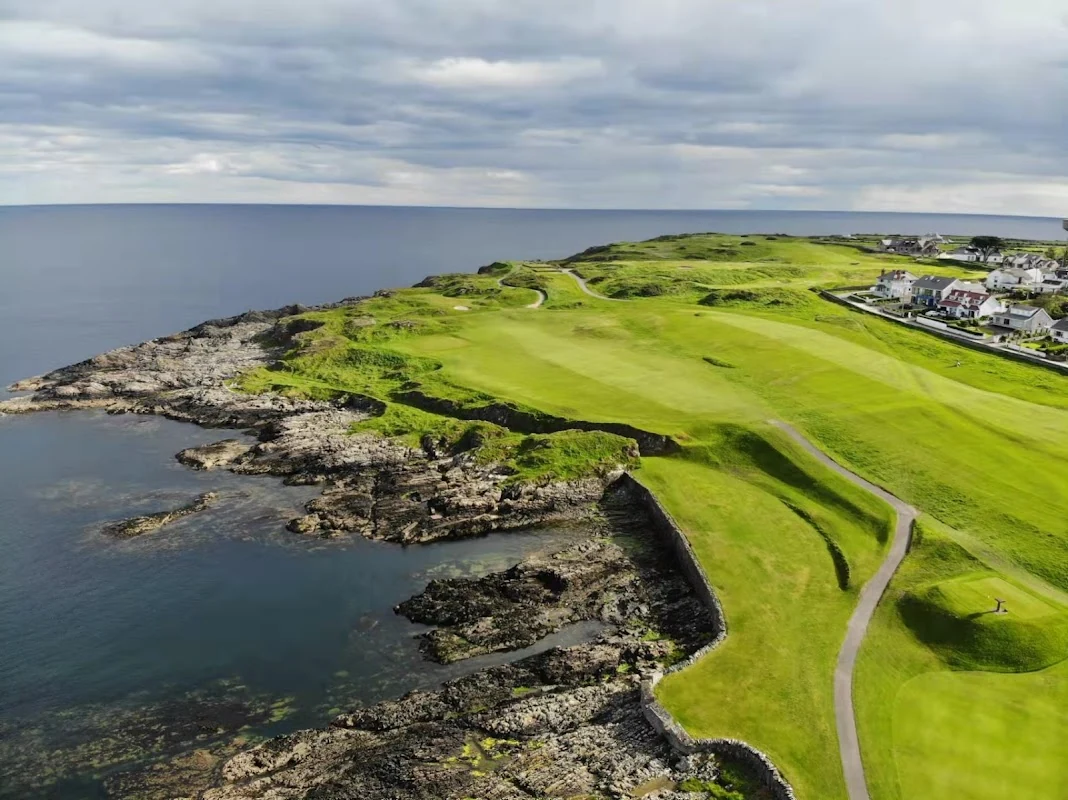
Photos via Google Business Profile (Portstewart Golf Club)
The course and how it plays
The Strand is a quintessential big-dune links, its fairways tumbling between towering sandhills with the Atlantic and the River Bann estuary as a backdrop. The front nine — much of it Des Giffin’s Thistly Hollow stretch — is the star, with dramatic elevation changes and holes that thread through the dunes.
Deep pot bunkers, run-off areas and fast, true greens demand precise, thoughtful golf, and the coastal wind is a constant that reshapes club selection from one round to the next. The back nine runs closer to the Bann and finishes with a demanding stretch that keeps a good score honest to the last.
Signature holes
Portstewart’s opening holes are among the most talked-about in Irish golf, and a few stand out.
Hole 1 (Tubber Patrick)
One of the great opening holes anywhere — a par four of around 425 yards played from a high tee, the fairway sweeping downhill towards Strand Beach with the Donegal hills beyond. A precise drive to the left is rewarded; the scenery makes it unforgettable before you have even reached the green.
Hole 4 (Thistly Hollow)
A majestic par five and the pick of the Thistly Hollow holes, doglegging through the dunes to a green that slopes sharply. Stretching towards 580 yards from the tips, it is a genuine three-shot hole for most, with panoramic views from Castlerock to Donegal to distract you along the way.
Hole 6 (Five Penny Piece)
A short par three named in honour of designer Des Giffin, it is far trickier than its modest yardage suggests. Two bunkers guard a plateau green, and the coastal wind turns club selection into guesswork. Miss the surface and par becomes hard work.
Why play Portstewart
Portstewart offers championship links golf in a setting few courses can match, yet it welcomes visitors of every standard. You play where Jon Rahm romped to the 2017 Irish Open, through duneland that feels like a golfing safari, with the Atlantic on one side and the Bann on the other. Add its place on a coast that also holds Royal Portrush and Castlerock, and it is one of the great golfing corners of the British Isles.
Clubhouse and facilities
The modern clubhouse is a comfortable, welcoming base, home to the Strand Restaurant serving local cuisine and a well-stocked pro shop. Practice facilities are excellent — a full driving range, putting green and chipping area, plus a swing room for lessons with the teaching professional. Caddies are recommended for a first visit, and pull-trolleys, electric trolleys and buggies (with a medical certificate) are available to hire.
Green fees and booking
Portstewart welcomes visitors to its magnificent Strand Course, widely rated among the finest links in Ireland. A visitor round is typically around £235 at peak season, with lower rates in the quieter months of the year.
Tee times are in high demand through the summer, so booking well in advance online or through the club is recommended. For current green fees and tee times, check the official website.
Getting there and parking
Portstewart sits on the Causeway Coast in the north-west of Northern Ireland.
- By car: about 1 hour 15 minutes from Belfast (60–70 miles) via the A26 and A2, or roughly 45 minutes from Derry/Londonderry via the A2.
- By public transport: Translink trains run to Coleraine, a short taxi ride from the club; buses also serve Portstewart from Coleraine.
- Address & parking: 117 Strand Road, Portstewart, County Londonderry, BT55 7PG, with ample on-site parking.
Where to stay
Portstewart itself is the natural base, a relaxed seaside town right by the course. A few options, depending on your trip:
- In Portstewart: a good choice of hotels, guesthouses and B&Bs within minutes of the first tee, many with sea views.
- Along the coast: nearby Portrush offers plenty more accommodation and is handy for pairing a round at Royal Portrush.
- For a wider trip: Coleraine or Derry/Londonderry work as bigger-town bases if you are touring several courses.
Book well ahead in summer and around any championship, when the whole coast fills quickly.
What to pack
This is exposed Atlantic links golf, so plan for wind and changeable weather whatever the forecast:
- Waterproof jacket and trousers, plus a windproof mid-layer
- A warm layer and a hat for the breeze off the dunes
- Spare gloves and plenty of extra balls for the dunes and rough
- Sturdy, well-fitting golf shoes for firm, undulating links turf
- Sunscreen — the light off the sea catches you out even on cool days
Nearby attractions
Portstewart sits at the heart of the Causeway Coast, with world-class sights a short drive away.
| Attraction | Appeal | Distance |
|---|---|---|
| Portstewart Strand | Two-mile Blue Flag beach managed by the National Trust, right by the club | Adjacent |
| Dunluce Castle | Dramatic 13th-century clifftop ruins on the coast | ~5 miles |
| Mussenden Temple & Downhill Demesne | Clifftop temple and estate with panoramic Atlantic views | ~7 miles |
| Giant’s Causeway | UNESCO World Heritage site of 40,000 basalt columns | ~10 miles |
| Carrick-a-Rede Rope Bridge | Thrilling clifftop rope bridge with sweeping coastal views | ~15 miles |
Conclusion
For sheer drama, few links open like the Strand and fewer still keep the standard so high through the dunes. Whether you are chasing the ghosts of Jon Rahm’s 2017 romp or simply savouring the view from the first tee, Portstewart delivers a round you will be desperate to play again.
Frequently asked questions
When was Portstewart Golf Club established?
Golf was first played at Portstewart in 1889 and the club was formally founded in 1894. An early nine-hole layout grew to eighteen holes by the 1930s, and in 1920 two-time Open champion Willie Park Jr. designed an eighteen-hole course at Strand Head. The Strand Course as played today took shape after the club acquired the ‘Thistly Hollow’ duneland in 1986, with seven dramatic new holes opening in 1992 — so the club carries well over a century of links history.
What is the Strand Course’s par and length?
The Strand Course is a par 72 measuring 7,004 yards from the championship tees. It plays considerably shorter from the forward tees, so golfers of all standards can enjoy it, but from the back it is a serious test — big dunes, deep pot bunkers, fast greens and near-constant coastal wind all demand accuracy and clever course management. Its celebrated front nine, routed through the Thistly Hollow dunes, is regularly named among the best opening nines in golf.
Who designed the Strand Course?
The original eighteen-hole course was laid out in 1920 by Willie Park Jr., a two-time Open champion and pioneering course architect. The modern Strand Course owes its character to club member and schoolteacher Des Giffin, who — with secretary Michael Moss — routed seven spectacular new holes (the 2nd to 8th) through the ‘Thistly Hollow’ dunes, opened in 1992. The result blended old and new into the championship links admired today.
What are the most famous holes at Portstewart?
The 1st, ‘Tubber Patrick’, is one of golf’s great opening holes, played downhill from a high tee towards Strand Beach with the Donegal hills beyond. The 4th, ‘Thistly Hollow’, is a majestic par five through the dunes, while the short par-three 6th, ‘Five Penny Piece’, named after designer Des Giffin, is far trickier than its yardage suggests. Together they capture the drama of Portstewart’s duneland front nine.
Which tournaments has the Strand Course hosted?
Portstewart’s biggest moment came in 2017, when the Strand hosted the Dubai Duty Free Irish Open. Jon Rahm won in record fashion, finishing 24 under par and six shots clear of the field. The course has also staged the British Girls’ Championship (2006) and the Irish Amateur Close Championship (1992), and served as a final qualifying venue for The Open in 1951 — a championship pedigree that underlines its standing among the great Irish links.
How do I get to Portstewart Golf Club?
Portstewart is on the Causeway Coast in the north-west of Northern Ireland. By car it is about 1 hour 15 minutes from Belfast via the A26 and A2, or roughly 45 minutes from Derry/Londonderry via the A2. By public transport, Translink trains run to Coleraine, from where the club is a short taxi ride, with local buses also serving Portstewart. The full address is 117 Strand Road, Portstewart, County Londonderry, BT55 7PG, and there is ample on-site parking.
Are there other courses nearby?
Yes — this is one of the richest stretches of links golf anywhere. Royal Portrush, host of The Open, is only a few miles away, and Castlerock Golf Club is a short drive along the coast; Portstewart itself also has two further courses, the Riverside and the Old Course. It is easy to build a multi-day golf trip around the Strand, pairing it with the other Causeway Coast links.
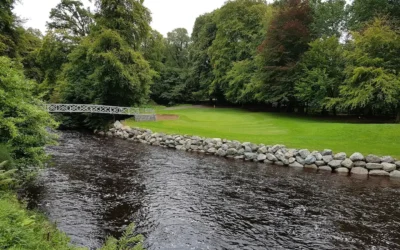
Moyola Park Golf Club
Moyola Park Golf Club — parkland by the river, opened by SeveMoyola Park carries a touch of stardust: when it opened in 1980, none other than Seve Ballesteros arrived to christen it. Set on the wooded banks of the River Moyola in south County Londonderry, it is a...
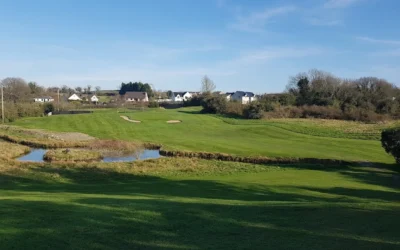
Kirkistown Castle Golf Club
Kirkistown Castle Golf Club — old-school links on the Ards PeninsulaWild, windswept and gloriously old-fashioned, Kirkistown Castle is links golf stripped to its essentials. Out on the tip of the Ards Peninsula, with the Irish Sea on the horizon and a ruined castle...
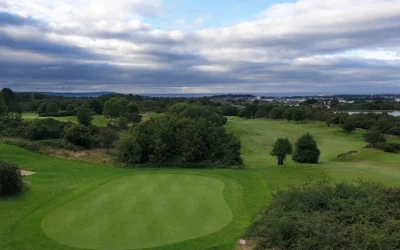
Clandeboye Golf Club (Dufferin)
Clandeboye Golf Club — the Dufferin, gorse and heather above Belfast LoughHigh on the Craigantlet hills above Belfast Lough, the Dufferin Course at Clandeboye is a rugged, heather-and-gorse test with views that stretch across the water to the Antrim coast. It is the...
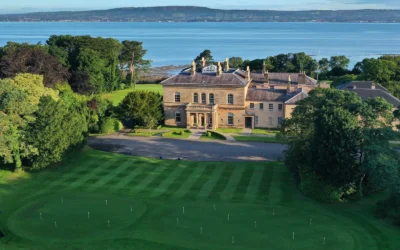
Royal Belfast Golf Club
Royal Belfast Golf Club — Ireland's oldest, on Belfast LoughThere is history in every step at Royal Belfast. Founded in 1881, this is the oldest golf club in Ireland, and its Harry Colt parkland tumbles down wooded slopes to the very edge of Belfast Lough, the water...
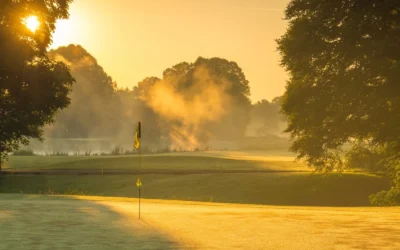
Galgorm Castle Golf Club
Galgorm Castle Golf Club — Northern Ireland's premier tournament venueFramed by a 17th-century castle and threaded by the Rivers Maine and Braid, Galgorm Castle is where big-time golf comes to Ballymena. This is the parkland stage that has hosted the Irish Open and a...