
Golf At Goodwood
Golf at Goodwood — two great courses on a historic estate
Few places in English golf can match the sense of occasion at Goodwood, where the fairways run across the Sussex Downs and around an eighteenth-century ducal estate, with Goodwood House, ancient cedars and flint walls framing the golf.
Golf at Goodwood, near Chichester in West Sussex, offers 36 holes across two contrasting courses: the downland Downs Course, designed by five-time Open champion James Braid in 1914, and the parkland Park Course, created by Donald Steel in 1989. The Downs plays to a par of 72 at around 7,100 yards, the Park to a par of 72 at about 6,650 yards. Together they make one of the South East’s most complete and characterful golf destinations.
Key Details
- Location: Goodwood Estate, Chichester, West Sussex, PO18 0PS
- Length: Downs approx. 7,100 yards; Park approx. 6,650 yards
- Par: 72 (both courses)
- Designers: James Braid (Downs, 1914, later renovated by Tom Mackenzie); Donald Steel (Park, 1989)
- Established: golf on the estate from the early 1900s; Downs course 1914
- Notable: 36 holes on a historic ducal estate; a Braid downland course and a Steel parkland course
History and significance
Golf has been played on the Goodwood Estate since the early twentieth century, when the Duke of Richmond’s estate workers laid out early holes. In 1914 James Braid — designer of Gleneagles and Carnoustie and a five-time Open champion — created a proper sporting course up on the Downs, and the essence of that layout is still played today, complete with his hallmark dog-legs and bold cross-bunkering.
In 1989 a second course was added, this time on the parkland around Goodwood House rather than the open Downs. Designed by the respected architect and player Donald Steel, the Park Course weaves among three-hundred-year-old cedars and the estate’s flint walls. The Downs has since been sympathetically renovated by architect Tom Mackenzie to keep Braid’s concept relevant for the modern game.
The course and how it plays
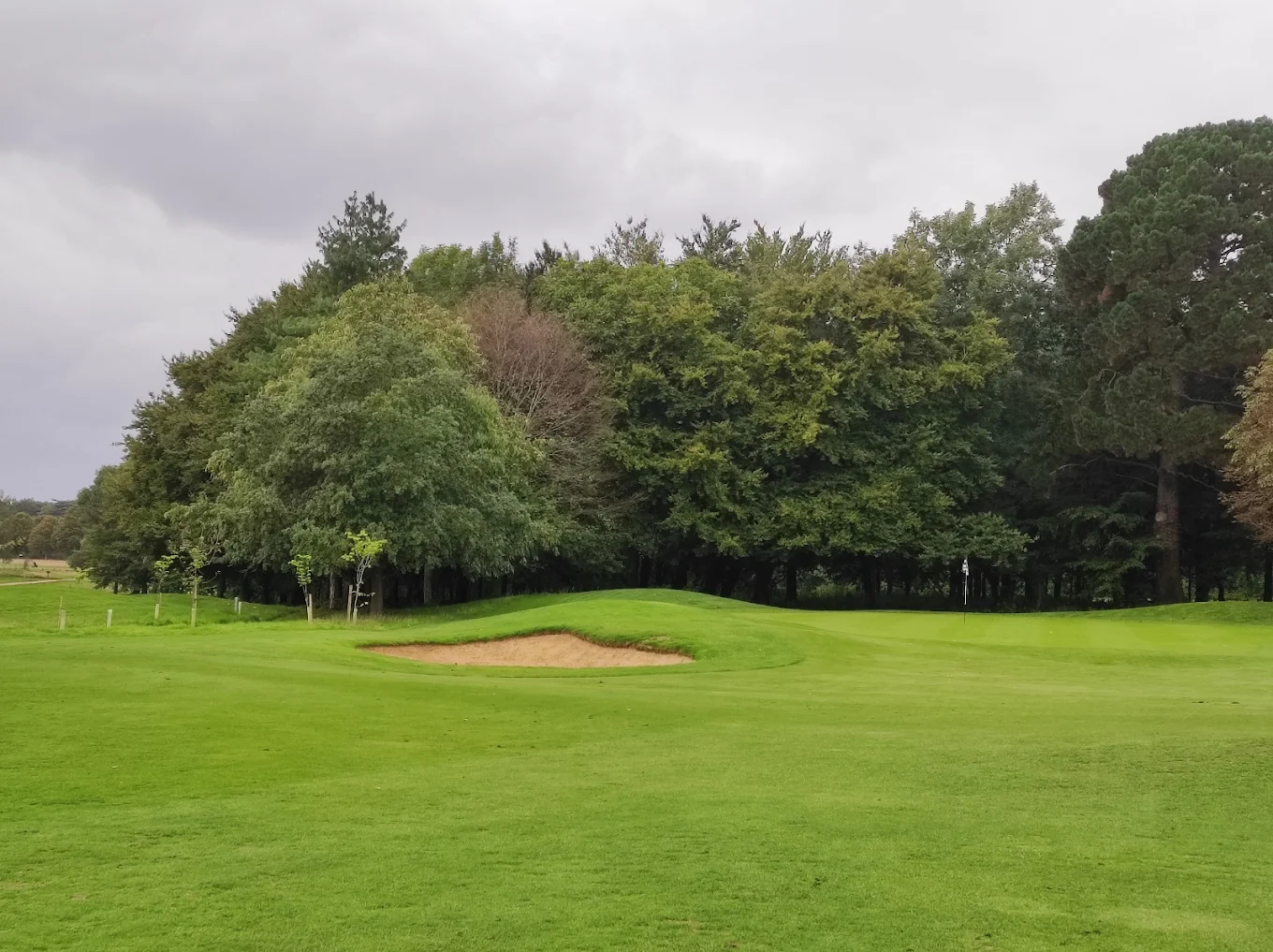
The two courses offer genuinely different examples of golf. The Downs is classic downland: fast-running fairways, dramatic changes in elevation through the valleys and hills, and greens that demand judgement of slope and pace, all played high on the exposed chalk with the wind a constant factor.
The Park is a gentler, more sheltered parkland test, winding among mature trees and historic walls with the great house never far from view. Where the Downs rewards bold, well-shaped driving, the Park asks for precision and placement — between them they suit every mood and every kind of golfer.
Signature holes
With two full courses, Goodwood’s appeal lies in the contrast between them rather than in a single celebrated hole, and the club does not single out set signature holes.
On the Downs, the memorable golf comes on the high, rolling holes where the land tumbles through the chalk valleys and the views open across the estate and out toward the coast — Braid’s dog-legs and cross-bunkers making you think from the tee. On the Park, it is the holes threading past the ancient cedars and the flint walls of Goodwood House that stay with you. Taken together, it is the variety across 36 holes, not one postcard hole, that defines the day.
Why play Golf at Goodwood
You come to Goodwood for two quality courses in one visit, wrapped in the history and grandeur of a great English estate. The chance to play Braid’s downland golf and Steel’s parkland golf on the same trip is rare, and the setting — house, motor circuit, racecourse and rolling Downs — makes it a genuine day out.
For a golf break in the South East, few venues combine this much variety, heritage and atmosphere.
Clubhouse and facilities
Golf at Goodwood has an extensive clubhouse with dining and lounges overlooking the courses, a well-stocked professional’s shop and a golf academy with practice facilities and coaching. As part of the wider Goodwood Estate, the venue is geared to visitors, members and golf breaks alike, with the estate’s hotel close at hand.
Green fees and booking
Visiting golfers are welcome across both courses, with tee times and green-fee rounds booked through the club; membership and golf-break packages are also offered. Green fees vary by course, season and time of day.
Because rates are reviewed regularly, it is best not to rely on a fixed figure. For current green fees and tee times, check the official website.
Getting there and parking
The estate sits just north of Chichester in West Sussex.
- By car: from Chichester follow the A286 and the local signs for Goodwood and the golf courses on the estate.
- By public transport: the nearest railway station is Chichester, served by Southern, with onward taxi to the estate.
- Address & parking: Golf at Goodwood, Goodwood Estate, Chichester, West Sussex, PO18 0PS. Ample on-site parking is available.
Where to stay
The most convenient base is the estate’s own Goodwood Hotel, with the city of Chichester close by for a wider choice.
The Goodwood Hotel sits within the estate, ideal for an early tee time and a stay-and-play trip, while Chichester offers a good range of hotels and guesthouses within a short drive. The surrounding West Sussex coast and countryside also make comfortable bases for a longer visit.
What to pack
The Downs is high, open and breezy, so pack warm, windproof and waterproof layers even in summer, along with well-gripped shoes for the rolling chalk. The Park is more sheltered but still rewards a few spare balls among the trees. Smart golf attire is expected across the estate’s courses and clubhouse.
Nearby attractions
The Goodwood Estate and the historic city of Chichester offer plenty to pair with your golf.
|
Attraction |
Appeal |
Distance |
|
Goodwood House |
Historic ducal house and art collection |
On site |
|
Goodwood Motor Circuit |
Home of the Festival of Speed and Revival |
On site |
|
Chichester Cathedral |
Fine Norman cathedral in the city centre |
~4 miles |
|
Weald & Downland Living Museum |
Historic buildings and rural life, Singleton |
~6 miles |
|
Fishbourne Roman Palace |
Largest Roman residence found in Britain |
~5 miles |
|
West Wittering Beach |
Sandy Blue-Flag beach on the coast |
~10 miles |
Conclusion
Two courses, one great estate: Golf at Goodwood pairs James Braid’s wild downland with Donald Steel’s graceful parkland, all beneath the towers and cedars of Goodwood House. For variety, history and sheer sense of place, it is one of the finest golf days in the South East.
Frequently asked questions (FAQs)
Can visitors play Golf at Goodwood?
Yes. Golf at Goodwood welcomes visiting golfers across both the Downs and the Park courses, with green-fee rounds and tee times booked through the club, alongside memberships and stay-and-play packages using the estate’s hotel. A smart golf dress code applies on the courses and in the clubhouse. As part of a busy estate that also hosts motorsport and racing events, availability can vary around big event days, so it is always worth booking ahead and checking in advance. For current visitor information, tee times and packages, check the official website, which carries the up-to-date details.
What are the two courses at Goodwood?
Goodwood has 36 holes across two contrasting courses. The Downs Course, designed by James Braid in 1914 and later renovated by Tom Mackenzie, is a classic downland layout of around 7,100 yards, par 72, played high on the exposed chalk with fast fairways and dramatic elevation change. The Park Course, created by Donald Steel in 1989, is a parkland layout of about 6,650 yards, par 72, winding among ancient cedars and the flint walls around Goodwood House. The Downs rewards bold driving and judgement of slope; the Park asks for precision and placement in a more sheltered setting.
Who designed the courses at Goodwood?
The Downs Course was designed by James Braid, the five-time Open champion and architect of Gleneagles and Carnoustie, in 1914, building on early holes laid out by the estate; it has since been sympathetically renovated by the golf architect Tom Mackenzie. The Park Course was designed in 1989 by Donald Steel, the well-known golf architect and player, on the parkland surrounding Goodwood House. Having two courses by two respected designers, in two very different styles on one historic estate, is a large part of what makes Golf at Goodwood such a rewarding destination.
How do I get to Golf at Goodwood?
The estate lies just north of Chichester in West Sussex. By car, follow the A286 from Chichester and then the local signs for Goodwood and the golf courses across the estate; the postcode for sat-navs is PO18 0PS and there is ample parking on site. By train, the nearest station is Chichester, served by Southern with regular services along the coast and from London Victoria, from where a short taxi ride completes the journey up to the estate.
Sheringham Golf Club
Sheringham Golf Club (Sheringham, Norfolk, England Perched majestically on the clifftops of the Norfolk coast, Sheringham Golf Club offers a golfing experience that blends breathtaking scenery with a formidable challenge. The course, set within an Area of Outstanding...
The Belfry Golf Club Brabazon Course
The Belfry Golf Club Brabazon Course (Wishaw, Warwickshire, England) Nestled in the heart of Warwickshire’s lush countryside, The Belfry’s Brabazon course is a beacon of golfing prestige, celebrated for hosting the Ryder Cup four times—more than any other venue...
Prestbury Golf Club
Prestbury Golf Club (Prestbury, Cheshire, England) Nestled in the rolling hills of Cheshire, Prestbury Golf Club is a hidden gem that marries the timeless design of Harry Colt with the natural splendor of the English countryside. As you stand on the first tee, gazing...
Ashridge Golf Club
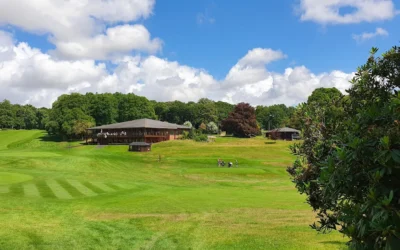
Ashridge Golf Club (Little Gaddesden, Hertfordshire, England) Imagine teeing off amidst the rolling Chiltern Hills, where ancient woodlands frame fairways and deer graze in the distance. Ashridge Golf Club, located in Little Gaddesden, Hertfordshire, England, offers...
Bearwood Lakes Golf Club
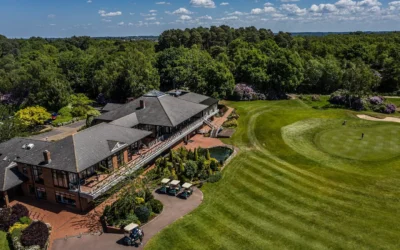
Bearwood Lakes Golf Club (Sindlesham, Berkshire, England) Nestled in the heart of Berkshire, England, Bearwood Lakes Golf Club is a hidden gem that offers a unique blend of natural beauty and historical significance. Set within 200 acres of the historic Bearwood...